Andrographis: A call for safe access, not complete removal.
The Therapeutic Goods Administration (TGA) has announced changes to the regulatory status of Andrographis paniculata, following serious safety concerns, including reports of anaphylaxis and a fatal adverse reaction.
As an independent regulatory body for naturopaths and Western herbalists, ARONAH recognises that public safety must always come first.
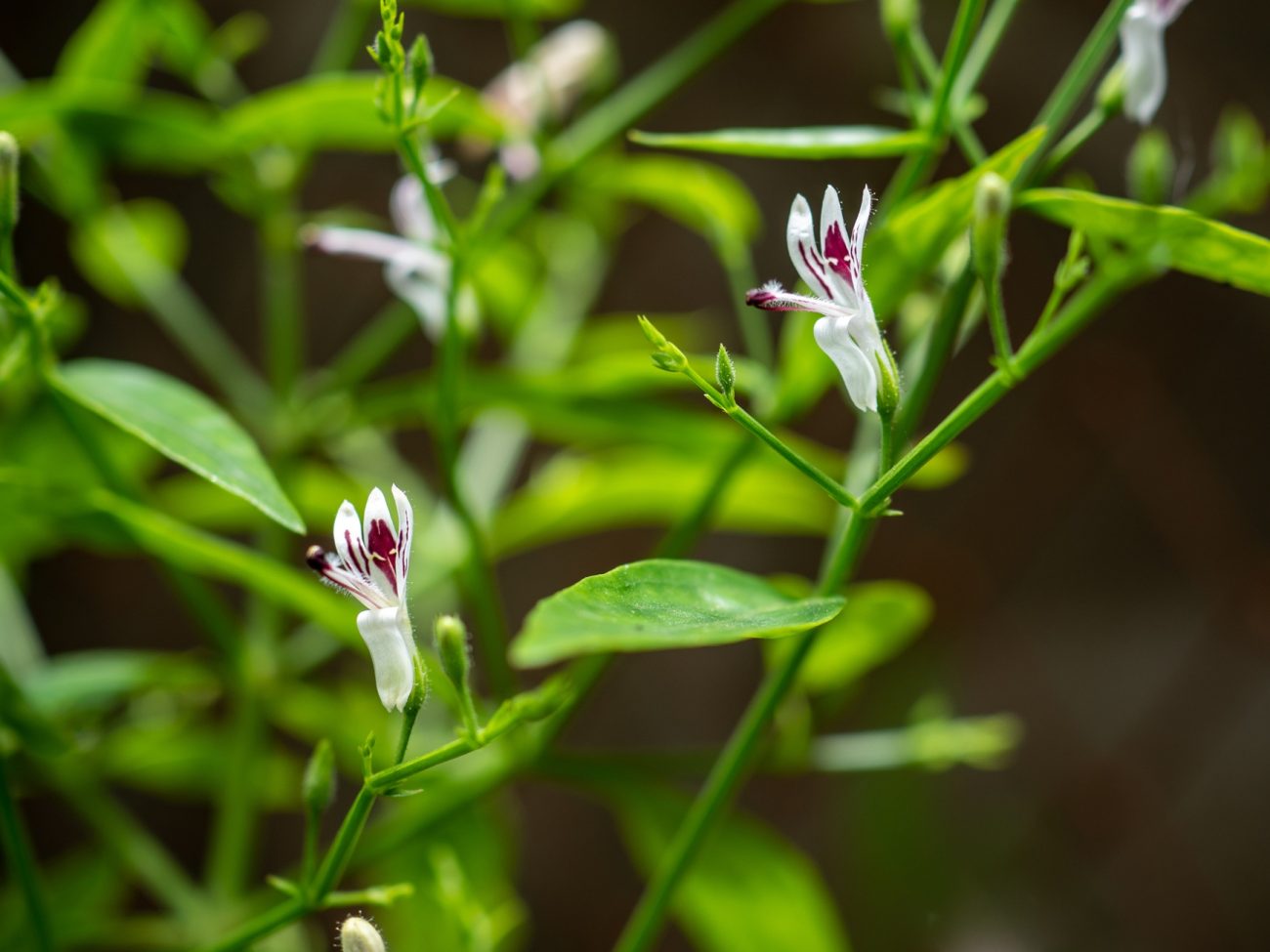
Andrographis paniculata
ARONAH Submission
Responding to the proposed regulatory changes
In May 2026, ARONAH was invited by the Therapeutic Goods Administration (TGA) to provide a submission in response to the proposed removal of Andrographis paniculata from the Permissible Ingredients Determination.
Our submission acknowledged the seriousness of the reported adverse events and the need for stronger regulatory controls. However, we also proposed an alternative to removing this important therapeutic herb from clinical practice entirely.
Read ARONAH’s full submissionOur Recommendation
A practitioner-only access model
ARONAH proposed a staged approach that would strengthen regulatory safeguards while retaining appropriately controlled clinical access to Andrographis.
Remove general retail access
Remove Andrographis from general retail and self-selection.
Retain practitioner access
Retain access for suitably qualified practitioners with appropriate herbal medicine education and training.
Establish a national framework
Establish a nationally recognised framework for restricted herbal medicines, supported by professional regulation and clinical oversight.
Strengthen professional regulation
Recognise the importance of statutory registration for naturopaths and Western herbalists in establishing a robust framework for managing higher-risk therapeutic ingredients.
Regulatory Context
Why does statutory registration matter?
Unlike Traditional Chinese Medicine practitioners, naturopaths and Western herbalists are not currently included in the National Registration and Accreditation Scheme (NRAS).
This creates a regulatory gap when considering how restricted herbal medicines could be made available exclusively to appropriately qualified practitioners.
ARONAH believes statutory registration would provide a framework for nationally recognised education standards, professional accountability and safe access to restricted herbal medicines.
The Victorian regulatory model for Chinese herbal medicine provides an example of how restricted herbal medicines can be managed through professional oversight rather than removed from clinical practice altogether.
Our Position
Public safety and access to herbal medicine need not be mutually exclusive.
ARONAH remains committed to working with the TGA, government and industry stakeholders to support evidence-informed regulation, protect the Australian public and advance statutory registration for naturopaths and Western herbalists.
We believe this is an important opportunity to progress the conversation about the future of naturopathy and Western herbal medicine in Australia.